
Fire warden and extinguisher training before winter: roles, refreshers and evidence that stands up
Shorter days, portable heaters and closed windows all nudge fire risk upward. Before winter beds in, get your fire warden arrangements, extinguisher familiarisation and record-keeping in order so you can prevent incidents and run confident evacuations.
This practical guide sets out what wardens do day to day, how many you need, where extinguisher-use training fits, and the refresher rhythm most workplaces follow. You will also find simple templates for sweeps, drills and training evidence that stand up to audits.
If you are building your plan now, you can preview the first module of our online Fire Warden Training, Fire Safety in the Workplace and Fire Extinguisher Training for free before you roll out.
Fire Marshal Training and Fire Warden Training Online Course
Fire Extinguisher Training Online | Fire & Health and Safety Courses
Basic Fire Safety Awareness - Safeguard E-Learning
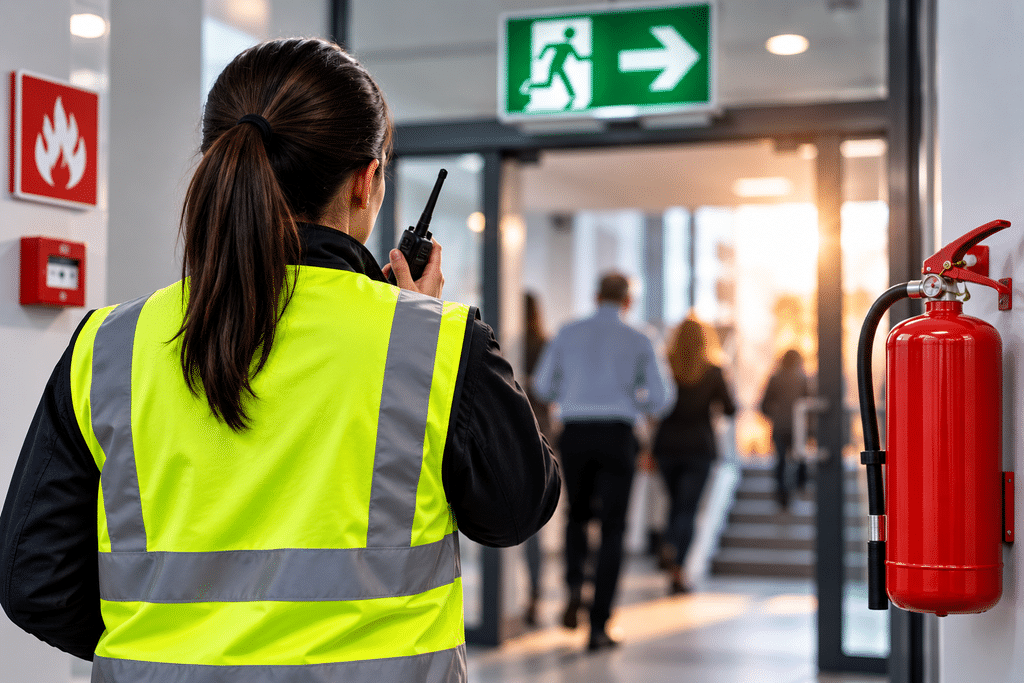
The fire warden role, made clear
A fire warden (often called a fire marshal) supports prevention and safe evacuation. Core duties typically include:
- Routine checks of escape routes, fire doors, signage, call points and housekeeping in their zone.
- Helping colleagues understand alarm signals, routes and assembly expectations, including support for PEEPs.
- Coordinating sweeps during an evacuation, closing doors, guiding people to assembly, and reporting status to the controller.
- Spotting seasonal risks such as portable heaters, overloaded sockets and blocked exits, and escalating issues for action.
How many fire wardens do you need?
There is no single number that fits all, but a common approach is:
- Provide cover for each floor or fire compartment, plus deputies for leave and shifts.
- Increase numbers for higher-risk areas, nights, public access, or where people need assistance.
- Aim for coverage that allows full sweeps within your evacuation time and leaves a deputy at assembly.
Your fire risk assessment should drive final numbers. Review coverage when headcount, layout, processes or hours change.
What training does a fire warden need?
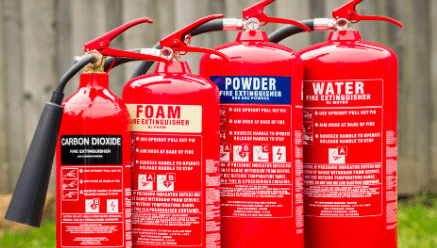
Training should cover legal duties, alarm systems, basic fire science, common causes, extinguisher types and safe-use principles, evacuation procedures, PEEPs, and local arrangements from your fire risk assessment. Practical walk-throughs are valuable in complex sites.
Can fire warden training be done online? Yes. Online tutor-led modules work well for consistency and speed across sites. In-person elements are useful for complex premises or when you want live drills and practical extinguisher sessions. You can preview the first module of our fire warden training before enrolling teams.
Fire Marshal Training and Fire Warden Training Online Course
How much does fire warden training cost? Pricing varies by provider and format. Our current course prices are listed on the course page and can be reviewed before purchase.
How often should wardens be trained?
There is no fixed legal expiry, but good practice is:
- Initial training on appointment.
- Refreshers every 1 to 3 years depending on risk, turnover and change, with many employers opting for annual updates.
- Extra briefings after layout changes, new processes, serious near misses, or changes to alarm or suppression systems.
Where extinguisher training fits
Is fire extinguisher training a legal requirement? UK law requires suitable and sufficient instruction so staff can act safely in an emergency. Practical extinguisher use is not mandated for every employee, but familiarisation is widely expected for wardens and helpful more broadly when risk justifies it. Many organisations combine theory-led awareness for all staff with hands-on practice for wardens and key responders.
How long does a fire extinguisher training certificate last? There is no statutory expiry. Many employers refresh extinguisher familiarisation annually or on the same cycle as warden refreshers.
To add practical confidence, preview the first module of our fire extinguisher training and schedule a hands-on session where appropriate for your site.
Fire Extinguisher Training Online | Fire & Health and Safety Courses
Winter fire risks and simple controls
As temperatures fall, review controls for:
- Portable heaters: approve safe models, ban open elements, keep 1 metre clearance, and plug directly into wall sockets.
- Electrical load: avoid multi-way cube adaptors, inspect cables, and remove damaged equipment from service.
- Compacted layouts: keep exits clear, maintain fire door closing, and prevent storage in corridors and stair cores.
- Dark evenings: test emergency lighting and route signage; ensure assembly areas are visible and safe.
- Ventilation and drying: do not cover heaters with clothing, and keep drying away from heat sources.
A simple refresher timetable before winter
Use this 8-week plan to be winter-ready without overloading diaries:
- Week 1: Confirm warden numbers, deputies and zones. Brief managers.
- Week 2: Assign or update PEEPs and buddy arrangements.
- Week 3: Online refresher for all wardens. Issue zone maps and sweep sheets.
- Week 4: Test alarm audibility in each area. Fix gaps.
- Week 5: Scenario drill during core hours. Record timings and issues.
- Week 6: Extinguisher familiarisation for wardens and key responders.
- Week 7: Night or shift drill if relevant. Confirm deputy coverage.
- Week 8: Management review of findings, actions closed, and training matrix updated.
Sample evidence that stands up to audits
Keep records that are clear, consistent and easy to retrieve.
Warden Sweep Sheet (per zone):
- Zone, date, drill or live event.
- Start and finish time of sweep.
- Areas not entered and why.
- Persons needing assistance or refusing to leave, actions taken.
- Doors closed, hazards noted, signature.
Drill Record:
- Date and time, type of drill, alarm points used.
- Evacuation time to all-clear.
- Issues by zone and corrective actions with owners and target dates.
- Controller and duty manager sign-off.
Training Matrix:
- Names, roles, initial training date, refresher due date.
- Course title and provider, module scores or pass confirmation.
- Certificates stored location or LMS reference.
Quick answers to common questions
- What training does a fire warden need? Role duties, legal duties, alarm systems, causes, extinguisher types and safe-use principles, evacuation procedures, PEEPs and site-specific plans.
- How often should fire wardens be trained? Typically every 1 to 3 years, with many choosing annual refreshers or when significant changes occur.
- Is fire extinguisher training a legal requirement? The law requires suitable and sufficient instruction. Practical use is not mandated for all staff, but familiarisation is good practice for wardens and key roles.
- How long does a fire extinguisher training certificate last? No fixed expiry; many employers refresh annually or on the warden refresher cycle.
- What are the 4 P’s of fire safety? People, Premises, Procedures and Prevention, a helpful way to organise your plan.
- What are 5 fire safety rules? Keep exits and routes clear; maintain and not wedge fire doors; control ignition sources and electrical load; know how to raise the alarm and where to assemble; never re-enter until authorised.
- Can fire warden training be done online? Yes. Online is efficient for consistency across sites; pair with live drills and, where needed, practical extinguisher sessions.
- How much does fire warden training cost? Prices vary by provider and format. Check the current price on our fire safety training courses pages.
Summary
Winter increases everyday fire risks, but a clear warden structure, timely refreshers, practical extinguisher familiarisation and tidy records turn that risk into a managed routine. Confirm coverage, refresh skills, run a drill, and keep evidence simple and accessible. If you would like help sequencing modules and setting up your matrix, contact Safeguard E-Learning, or start now by previewing the first module of the relevant course and booking your rollout date.