
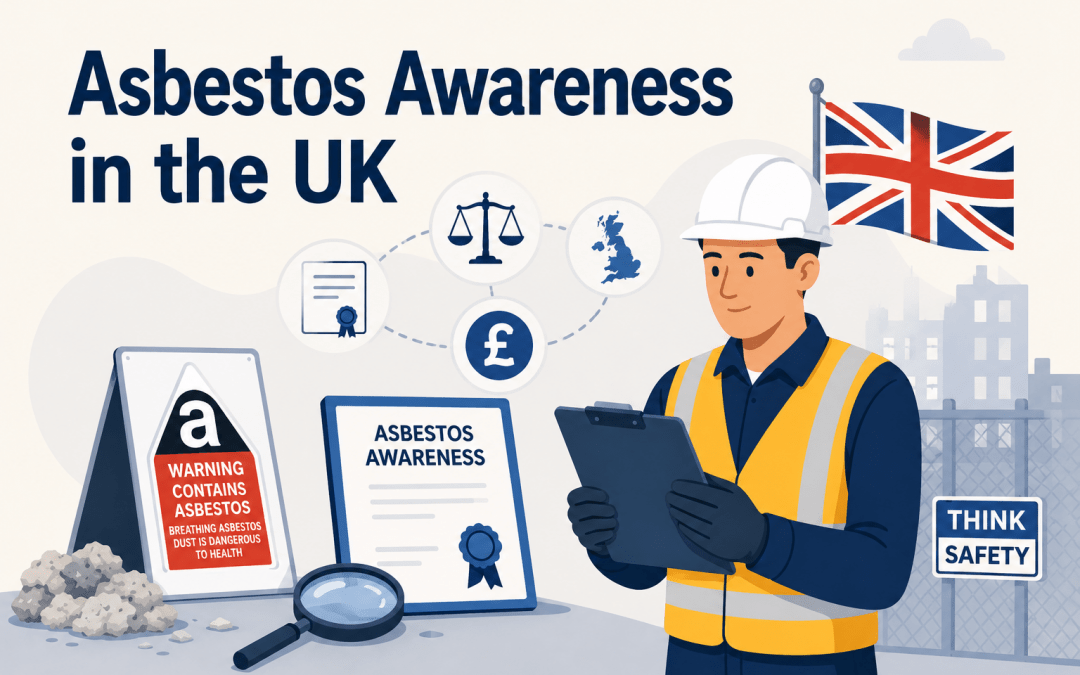
If you work in construction, maintenance, facilities, housing, or as a duty holder, you already know asbestos is not a niche risk. It still turns up on refurb and maintenance jobs across the UK. The confusion usually starts with training labels and certificate expectations. Do you need UKATA? What is Cat A, B, C? How long does an awareness certificate last? And does awareness let you drill, scrape or remove asbestos containing materials?
This guide strips out the myths and sets out what the law expects, what asbestos awareness training actually covers, how certificates work, typical pricing, and the simple steps to get compliant without overbuying.
Important note: This article references UK regulations for general guidance only. It is not legal advice. Always check the latest Health and Safety Executive (HSE) guidance and your company procedures.
What asbestos awareness covers and who needs it
Regulation 10 of the Control of Asbestos Regulations 2012 requires employers to give suitable information, instruction and training to anyone who may be exposed to asbestos. Asbestos awareness meets that baseline for people who could encounter asbestos containing materials during their work but are not intended to work on them.
Typical roles include joiners, plumbers, electricians, HVAC engineers, maintenance techs, caretakers, decorators, roofers, demolition labourers, and facilities teams who might disturb materials during routine tasks. Duty holders and supervisors often complete it too, so they can plan work competently and manage contractors.
A good awareness course will help you:
- Recognise likely asbestos containing materials in buildings and common locations
- Understand health risks and why disturbance matters
- Follow procedures to avoid disturbance, including stop work and escalation
- Know what to do in an accidental release or suspected exposure
- Appreciate the difference between non-licensed, notifiable non-licensed, and licensable work so you do not cross the line
Crucially, asbestos awareness is about recognition and avoidance. It does not qualify you to handle, cut, drill, remove, or repair asbestos containing materials.
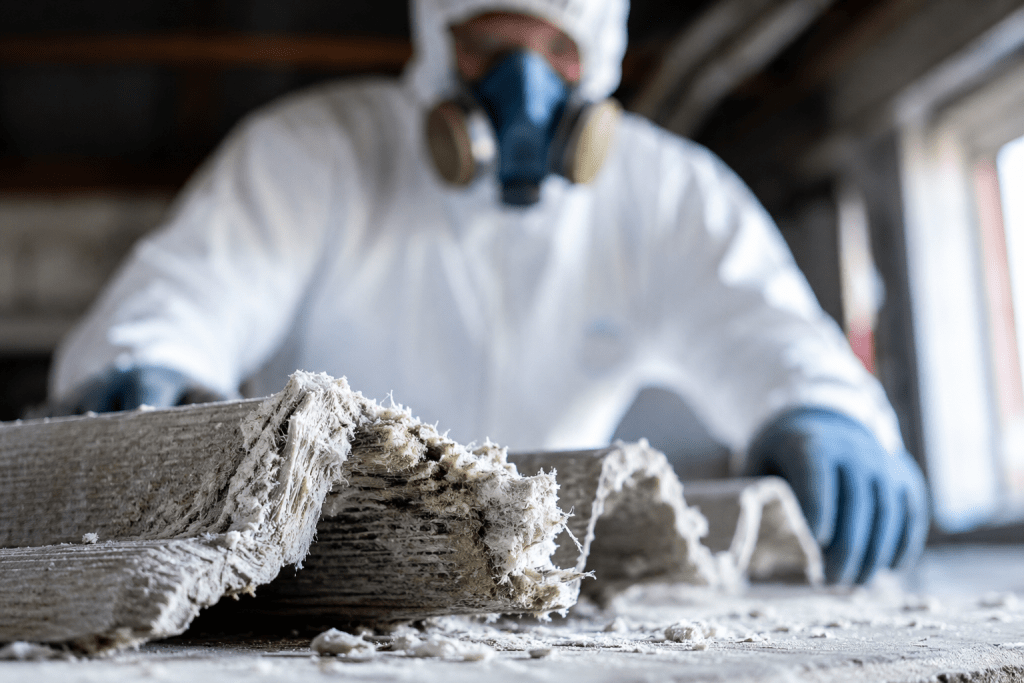
Awareness vs Cat A, B and C in plain English
You will hear training described as Category A, B or C:
- Category A is asbestos awareness. It teaches recognition and avoidance. It does not permit work on asbestos containing materials.
- Category B is training for non-licensed work, including notifiable non-licensed work. It is for tasks like minor maintenance on some low-risk materials where licensing is not required, subject to risk assessment, control measures, and, where applicable, notification. You also need task-specific instruction, method statements, face fit testing where RPE is used, and health surveillance as required.
- Category C is licensable work training for higher-risk activities, delivered under a HSE licence with strict controls, medicals, and competency management.
What about UKATA and IATP? UKATA and IATP are trade bodies that maintain registers of training providers. Courses can be delivered to UKATA or IATP recognised syllabi and quality standards, but the law does not mandate a specific badge. Employers must ensure training is suitable and sufficient for the work to be done and that competence is maintained. Many clients prefer UKATA- or IATP-recognised awareness training because it is a clear way to demonstrate due diligence.
Safeguard E-Learning offers tutor-led asbestos awareness that aligns with this requirement. You can preview the first module free to check the content suits your team before purchasing.
How certificates work and how often to refresh
How long does an asbestos awareness certificate last? There is no legal expiry date in the regulations. In practice, most organisations refresh annually because the HSE expects training to be appropriate and up to date. Annual refreshers are the norm on construction sites and in facilities frameworks, and many principal contractors write that into site rules.
If your role changes, your tasks expand, or you start working on asbestos containing materials, awareness is no longer enough. You would need Category B training for the specific non-licensed tasks, or Category C arrangements where the work is licensable. Keep your matrix and certificates aligned to the actual work you do.
Duration, assessment and can you fail
Typical asbestos awareness courses take around 1 to 2 hours online, depending on modules and how much time you spend reviewing videos, case studies and knowledge checks. With tutor-led e-learning, you progress at your own pace and can pause between modules.
Assessment is usually through multiple-choice questions at the end of modules or at the end of the course. Can you fail an asbestos awareness course? Yes, if you do not meet the pass mark. However, online courses generally allow multiple attempts, and you can revisit the learning before retrying. Safeguard’s platform records attempts and scores for audit purposes. Check the course page for the pass criteria and number of permitted attempts.
Pricing, practical access and the free first module
How much is asbestos awareness training? Prices vary by provider and delivery format. Online awareness is often more cost effective than classroom options. On our site, individual course prices are shown on each product page, and they can change. For current pricing and any approvals noted, see the Asbestos Awareness course page and the IATP-recognised online option. You can start with the free first module to confirm the fit before you buy.
Explore the Safeguard Asbestos Awareness course and preview the first module free on our asbestos awareness training page
Asbestos Awareness Course and Asbestos Awareness Training Online Certificate
If you specifically need an IATP-recognised option:
Asbestos Awareness Online Course & UKATA Online Training - IATP
We also have more courses online at:
All Courses - E-Learning - On-Line Fire and Health & Safety Courses
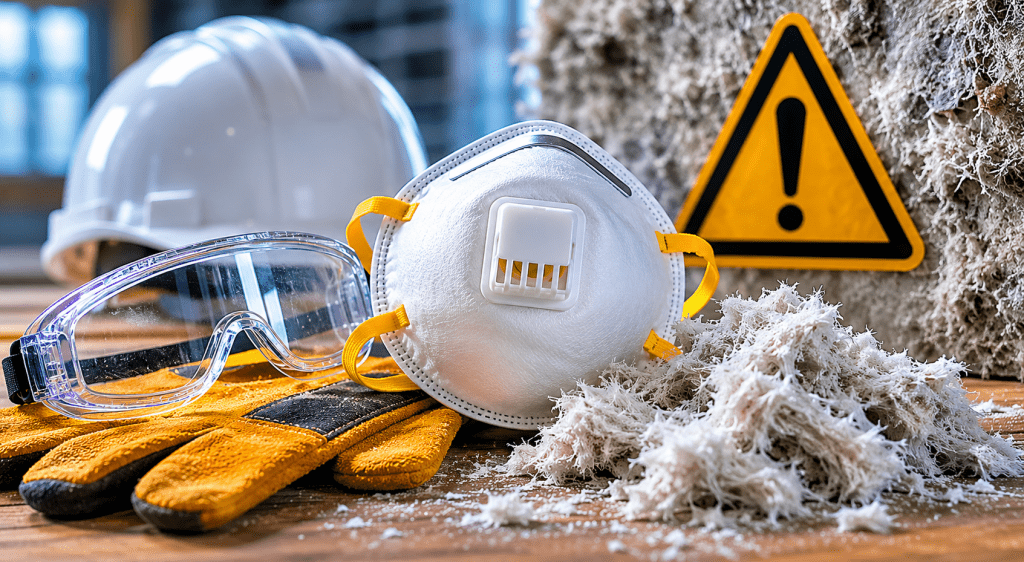
What the law really requires, without the myths
- Awareness is required where workers could encounter asbestos, but it does not permit you to work on asbestos containing materials.
- The law does not demand a particular brand name on the certificate. It demands training that is suitable and sufficient for the risks and tasks.
- Annual refresh is common practice. Use risk and role changes to trigger interim refreshers.
- If work on asbestos containing materials is planned, complete the correct Category B training for non-licensed tasks, or engage a licensed contractor for licensable work.
- Keep evidence. Store certificates, training dates, role scopes, and any face fit records with your risk assessments and method statements.
Simple next steps for duty holders and contractors
- Map roles to risk. Who could encounter asbestos during surveys, maintenance or minor works?
- Set a baseline. Schedule asbestos awareness for all relevant staff and regular subcontractors.
- Decide on recognition. If your clients expect UKATA or IATP recognition, select a course that meets that expectation.
- Close the gap for tasks. For any planned work on asbestos containing materials that is non-licensed, arrange Category B and task-specific instruction. For licensable work, engage a licensed contractor.
If you are building a broader compliance plan, you can also cover essentials like COSHH and Working at Height through our health and safety training catalogue. Many courses include a free first module to help you evaluate content before purchase.
Quick FAQ
How do I get an asbestos awareness certificate?
Complete an asbestos awareness (Category A) course and pass the assessment. Your certificate is issued on completion. You can start with Safeguard’s tutor-led online course, preview the first module free, then purchase to complete.
Is asbestos awareness a legal requirement?
Yes, where workers may be exposed to asbestos during their work, employers must provide suitable training under Regulation 10. Awareness meets that requirement for recognition and avoidance only.
How long does an asbestos awareness certificate last?
There is no statutory expiry, but annual refresh is widely expected by clients and principal contractors. Refresh sooner if your role or risks change.
How much does asbestos awareness training cost?
Prices vary by provider. Check the current price on the asbestos awareness course page before purchasing.
Can you fail an asbestos awareness course?
Yes. Courses have pass marks. You can usually retake the assessment and review modules between attempts. See the course page for details.
What are the three main types of asbestos training?
Category A (awareness), Category B (non-licensed and notifiable non-licensed work), and Category C (licensable work).
What is the difference between Cat A and Cat B?
Cat A teaches recognition and avoidance only, and does not allow you to work on asbestos containing materials. Cat B covers practical training and controls for specific non-licensed tasks on certain materials, with additional requirements such as method statements, RPE, and health surveillance as applicable.
Summary and a sensible next step
For most trades, facilities staff and duty holders, asbestos awareness is the baseline. It helps you recognise asbestos containing materials, avoid disturbing them, and escalate safely. It does not qualify you to work on asbestos. Refresh annually, keep records, and step up to Category B or licensed arrangements only when the job demands it.
Ready to sort your team’s baseline quickly? Preview the first module free and complete your certificate on our asbestos awareness training page. If you are building out wider mandatory learning, you can also browse related health and safety training and fire warden training to round out your compliance plan.
Organisations that require additional support beyond e-learning may also benefit from professional fire risk assessments, fire door inspections and consultancy services provided by Safeguard Fire Consultancy.
Safeguard Consultancy - Fire Risk & Passive Fire Consultancy