
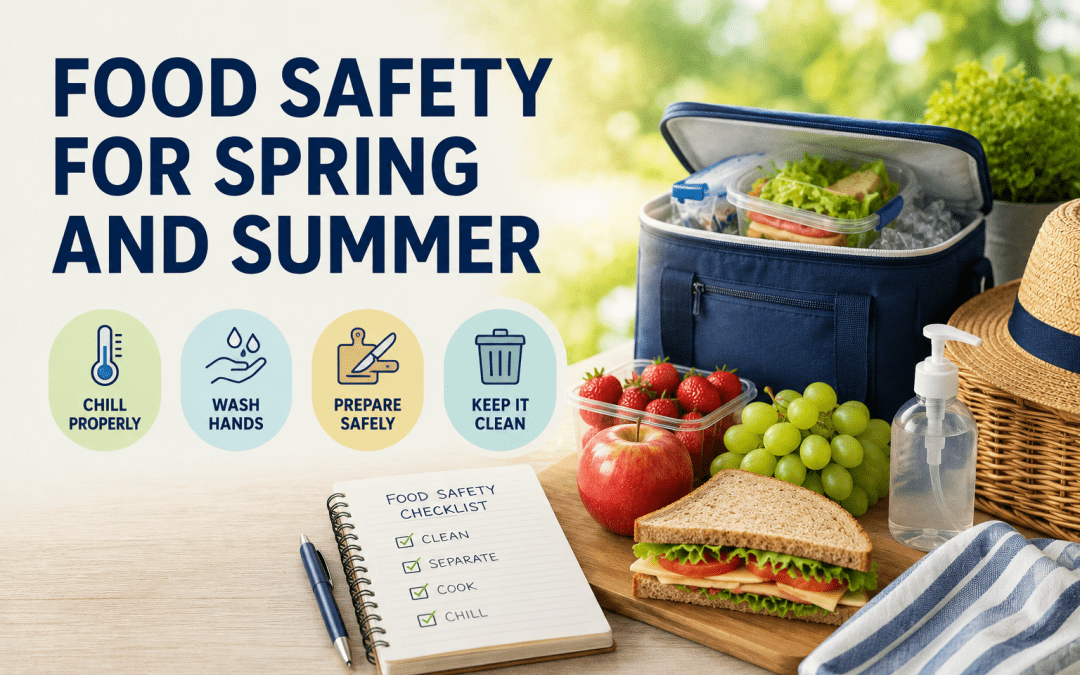
Bank holidays, outdoor tables, beer gardens and busy festivals are around the corner. Warmer weather is great for trade, but it also increases food safety risks. Bacteria grow faster in the heat, menus change for the season, and you may be onboarding short-term staff at speed.
This practical guide walks cafés, pubs, event caterers and street food operators through the essentials. Get your team compliant on Level 2 Food Hygiene, tighten allergen management, apply HACCP basics, and prepare clear evidence for Environmental Health Officer (EHO) visits before the rush.
Who needs Level 2 Food Hygiene and what it covers
Anyone who handles open food should be trained to a safe standard that matches their role. In practice, Level 2 Food Hygiene is the recognised baseline for front-of-house staff who plate or garnish food, bar and café teams preparing ready-to-eat items, kitchen assistants, cooks, food truck operators and event caterers.
A typical Level 2 Food Hygiene course covers:
- Food safety hazards and controls across biological, chemical, physical and allergenic risks
- Personal hygiene, handwashing, fitness to work and protective clothing
- Safe food handling, time and temperature control, cross-contamination prevention and cleaning
- Storage, stock rotation, deliveries and pest awareness
- Legal duties and how due diligence works day to day
Is Level 2 Food Hygiene a legal requirement? The law requires suitable and sufficient food safety training, not a specific certificate. However, Level 2 Food Hygiene is widely accepted by employers and EHOs as the standard way to demonstrate that requirement has been met for food handlers.
How long does it take to complete Level 2 Food Hygiene? Online tutor-led training is usually completed in 2 to 4 hours, depending on pace. Because modules are short, you can fit learning around shifts and seasonal onboarding.
What is the pass mark for Level 2 Food Hygiene? Course pages specify criteria, but a typical multiple-choice assessment requires a pass mark in the region of 70 to 80 percent. Online systems record attempts and scores, which helps with audit evidence.
If you need an accessible way to upskill teams quickly, you can review the first module free, then enrol staff on our Level 2 Food Hygiene course. See our food hygiene and food safety options in the food safety training section.
Food Hygiene & Food Safety Courses Online | Training Programmes
Allergen management essentials for summer menus
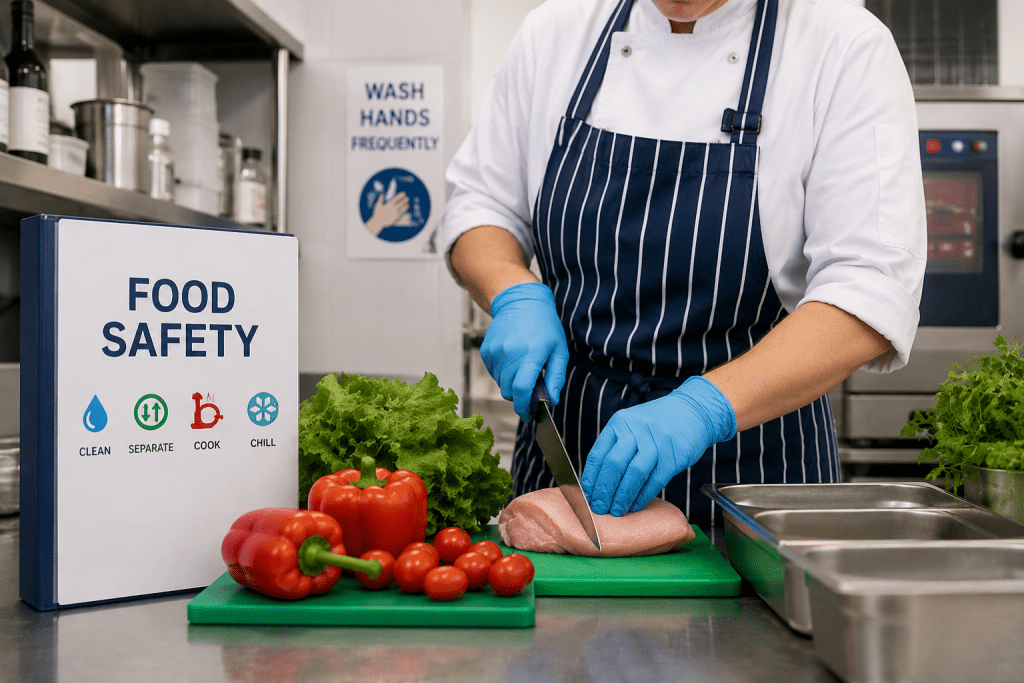
Spring and summer menus bring new ingredients, salads and sauces, street food toppings and prepacked for direct sale (PPDS) lines. All of this needs confident allergen control.
Key points to lock in:
- Keep an accurate allergen matrix for every menu item, including specials. Update it whenever ingredients change.
- Train staff to handle allergen orders safely: clean kit and surfaces, fresh gloves and utensils, segregated prep where practicable, and clear communication between front and back of house.
- Avoid vague “may contain” on menus. Only use this statement when you have assessed a genuine cross-contact risk that cannot be reasonably controlled.
- Be ready to give written and verbal allergen information. PPDS must have compliant labels; non-prepacked items require accurate information on request.
- Brief teams daily during season peaks. A 2-minute reminder on allergens before service helps prevent errors.
How to get a food allergen certificate? Complete a recognised Food Allergy Awareness e-learning course. Ours is tutor led with a free first module, and covers the 14 allergens, cross-contact, labelling and customer communication. You can find it in our food allergy courses category.
HACCP basics for small operators
Hazard Analysis and Critical Control Points (HACCP) is the framework behind safe food. For small businesses, keep it simple and matched to your operations.
What are critical control points in HACCP? A Critical Control Point (CCP) is a step where a specific hazard can be prevented, removed or reduced to a safe level. Typical CCPs for cafés and caterers include:
- Cooking to safe core temperatures
- Rapid cooling of cooked foods
- Chilled storage at or below target temperatures
- Hot holding above minimum safe temperatures
- Reheating to specified temperatures
- Supplier approval for high-risk ingredients
What are common mistakes in CCP management?
- Not having clear, measurable limits, for example “hot hold above X °C” rather than “keep hot”
- Missing checks during peak service or outdoor events
- Not recording corrective actions when a limit is breached
- Relying on one thermometer without regular accuracy checks
- Overcomplicating records so staff stop completing them
Simple documentation tips:
- Use short daily checksheets: delivery, fridge/freezer temperatures, hot hold, cleaning and allergen briefing
- Pre-fill menu items with their CCPs and limits to remove guesswork
- Keep logs near the task, not in the office
- Train staff to record what went wrong, what they did, and who verified it
If you want structured, bite-sized learning on the seven HACCP principles with examples for small sites, see our Introduction to HACCP Level 2 course. The first module is free to preview.
Renewal, refresh and onboarding seasonal staff fast
Food safety knowledge fades, and teams change before the summer surge. Good practice is to refresh Level 2 Food Hygiene and allergen awareness every 2 to 3 years, or sooner if menus, processes or regulations change. Supervisors should consider a Level 3 refresher if they manage CCPs or lead HACCP.
For fast onboarding of seasonal staff:
- Assign Level 2 Food Hygiene, Food Allergy Awareness and HACCP introduction on day one
- Use the free trial modules to check fit and literacy level
- Stagger modules so staff can learn between shifts and complete assessments before the first bank holiday weekend
- Keep certificates and LMS reports in one folder or dashboard for quick retrieval
Tutor-led e-learning helps you scale quickly and provides consistent messages across multiple sites or pop-up locations.
Evidence for EHO visits
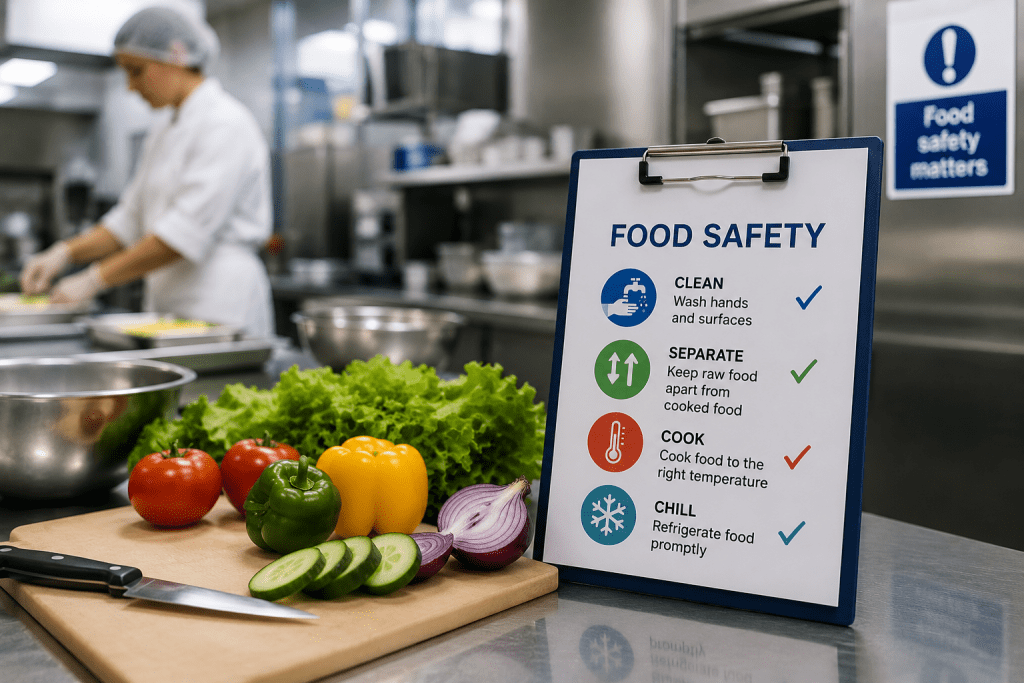
EHOs look for evidence that food safety is managed and embedded. Ahead of May bank holidays, check that you can show:
- Training records: Level 2 Food Hygiene, allergen and HACCP certificates; dates; roles matched to training level
- Daily controls: temperature logs, cleaning schedules, delivery records and allergen matrices that match today’s menu
- HACCP or Safer Food, Better Business pack that reflects your real processes and CCPs
- Corrective action notes and thermometer calibration checks
- Staff briefings or toolbox talks, especially around allergens and seasonal menu changes
Keep documents up to date, legible and close to where work happens. If you can find it in 60 seconds, so can your EHO.
Quick links to get your team ready
- Explore our food safety training, including Level 2 Food Hygiene, Food Allergy Awareness and HACCP options: food safety training.
- Go straight to Level 2 Food Hygiene online, with a free first module and tutor-led video content: level 2 food hygiene online.
- Build knowledge of allergen control with our dedicated category: food allergy courses.
- Learn the HACCP essentials and how to set CCPs with practical examples: haccp courses.
Food Hygiene & Food Safety Courses Online | Training Programmes
FAQs
Who needs a food hygiene certificate? Anyone handling open food should have training appropriate to their role. Level 2 Food Hygiene is the common standard for most food handlers in cafés, pubs, mobile units and event catering.
Is Level 2 Food Hygiene a legal requirement? The law requires suitable and sufficient training. A Level 2 Food Hygiene certificate is not named in legislation, but it is widely accepted as evidence that the requirement is met for food handlers.
How long does Level 2 Food Hygiene take? Most learners complete online Level 2 in 2 to 4 hours, depending on pace and prior knowledge.
What is the pass mark? It varies by course, but a typical pass mark is around 70 to 80 percent on the final assessment.
What are CCPs in HACCP? Critical Control Points are the steps where you must control a specific hazard, for example cooking, cooling, reheating, hot holding and chilled storage.
What are common CCP mistakes? Vague limits, missed checks in busy periods, poor records, not documenting corrective actions and uncalibrated thermometers.
How do I get an allergen certificate? Complete a recognised online Food Allergy Awareness course and download your certificate on passing. You can preview the first module for free.
Summary and next steps
A little planning now will keep summer service smooth and safe. Make Level 2 Food Hygiene your baseline, brief teams on allergens every day, keep HACCP practical with clear CCPs, and maintain simple records you can find fast. If you are bringing in seasonal staff, use tutor-led e-learning with free trial modules so everyone starts confident.
Next step, review your training matrix and enrol your team on Level 2 Food Hygiene, Food Allergy Awareness and Introduction to HACCP so you are ready for the first sunny weekend.
Organisations that require additional support beyond e-learning may also benefit from professional fire risk assessments, fire door inspections and consultancy services provided by Safeguard Fire Consultancy.
Safeguard Consultancy - Fire Risk & Passive Fire Consultancy